Mission

The iCross-Cultural Citizen Project is a cultural anthropology course-based project meant to raise critical consciousness about the rich cultural diversity in our indigenous world. Being totally aware of the limitations of being outsiders, we are a group of multidisciplinary undergraduate students who believe in cross-cultural sensitivity and participatory agency aimed at disseminating information about indigenous realities as accurately as possible.

Vision

The iCross-Cultural Citizen Project’s vision is to create an online cross-cultural space for students, professionals, and youth to learn and exchange cross-culturally sensitive information about contemporary indigenous experiences. From that outsider student’s perspective, we will try to theoretically explore possible collaborative solutions to problems that affect the indigenous populations of our planet. Finally, we hope for the future creation of a space where indigenous youth can share their experiences and their realities with us for real mutual collaboration to take place.

Values

We value the maximization of benefits to indigenous peoples and other vulnerable populations in the world.

We value the respect for persons all over the world.

We value the equal treatment of people, and we are against the exploitation of vulnerable groups around the world.

We value collaborative cross-cultural learning and critical thinking.


Wednesday, June 3, 2015

Subsistence


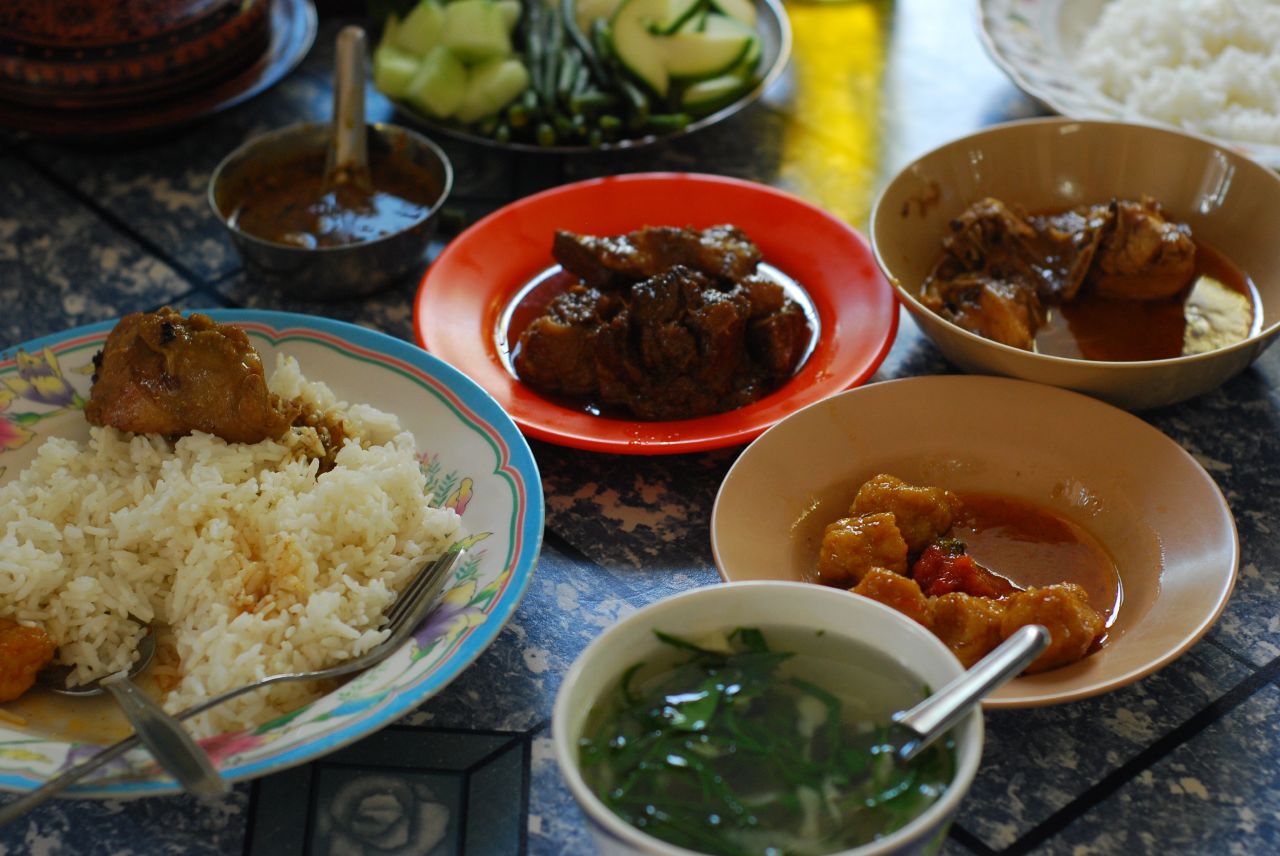
With a population of over seven million people food is very important to the Karen people of Burma (Myanmar). Although the Karen people are of diverse language and culture they share a passion for food. The majority of the Karen population focus on farming where they grow essential vegetables, rice, and raise animals; a typical meal would consist of those ingredients. Ashin Moonienda explains that a really good Karen meal would consist of large bowls filled with white rice, pork curry, stir-fried vegetables, and soup. On special occasions, like a marriage or festival, they will  “cook noodles or eat sticky (glutinous) rice instead of normal white rice” (Moonienda 2011:25)


The Karen see food as a way of “expressing hospitality and creating bonds”; in fact, one of their common greetings essentially translates into “Are you done eating” (Moonienda 2011:25). Moreover whenever they have guests in their home they will invite them to eat as a courtesy, however, if they “really want their visitors to eat they will either move the table and food in front of them, or take them by their hands… to the eating area” (Moonienda 2011:37). The Karen people sometimes enjoy hunting and gathering food from the forests.  Moonienda also explains that traditional Buddhist monks in the Karen culture typically eat once or twice a day but rarely “eat after midday”.


The Karen people are greatly affected by the civil war that has raged in their region since their independence from the United Kingdom in 1948. The war has led lots of people to flee the area and others have been relocated. For those refugees and even some villagers meals as large as those described above are rare; “a more common meal” [for them] would be rice, a few boiled vegetables and fish paste” (Moonienda 2011:25).


Overall, the Karen people don’t have the luxury of eating whatever they want as most people do in the United States. That does not deter them from eating a diverse diet of carbohydrates and proteins; farming their own food even makes it healthier. Food, like in many other cultures, is clearly a key component of their unique cultural diversity.


References
Image of Traditional Burmese (Karen) Food
      https://creativecommons.org/licenses/by-sa/2.0/
Karen Buddhist Dhamma Dhutta Foundation
The karen people, http://www.karen.org.au/karen_people.htm, June 2, 2015.
Moonienda, Ashin
2011 The Karen People: Culture, faith and history. Karen Buddhist Dhamma Dhutta Foundation. http://www.karen.org.au/docs/Karen_people_booklet.pdf, June 2, 2015.

Lifestyle

There are roughly seven million of the Karen people living in Burma. While they are a very diverse population, a majority of the Karen people are subsistence farmers. The majority of the population live in small mountain villages. Most of the villagers grow white rice and vegetables, as well as raise animals (KBDDF). Most villagers will eat a bowl of rice, some boiled vegetables, and fishpaste for their meals. It is common for them to eat twice a day, once around 10 A.M. and again at 4 P.M. Most native Karen people will use their hands to eat, however those exposed to Thai culture will use a fork and knife. In addition to the plants and animals they grow and raise, they will also gather vegetables and go hunting. There are not many animals that they will not hunt (Moonienda 2011:25).

In most Karen villages the Buddhist monastery is the center of the community life, it is the home to the monks who are the leaders of not only religion, but also the community. They also serve as school teacher, activists, counselors, and doctors and care for the orphaned and homeless children (KBDDF). In the traditional Karen village there is not a lot to do day to day, so the people spend their free time visiting others in the village. There is no invitation necessary and hosts don't usually reject their visitors. Visitors will stay for anywhere from five minutes to even five hours and their hosts will always invite the visitor eat, which the visitor will politely decline (Moonienda 2011:37). For most villagers alcohol is a integral part of their culture. They will make a mildly alcoholic beer out of rice that will either be drank as is or further distilled into a whiskey. Men drink more than the women in the village and will sit in a large circle sharing a bottle and one cup. Drug use is very uncommon in the villages, however marijuana is grown for use in feeding the elephants and to be cooked into stews (Moonienda 2011:38).

While the above is true for a lot of Karen villages, the war has forced much of the population to flee to refugee camps across the Burma-Thai border. For the most part the diet in these camps remains the same and a majority of the refugees still work as farmers, however some refugees are employed by aid organizations to work in the camps. However some have sought employment outside the camps and are at risk of being detained, robbed, or raped (Moonienda 2011:39). Most of the refugees and their camps have been very well maintained and organized due to the upkeep the refugees have put into them. Most of the refugees keep a happy and pleasant attitude. The houses in the camp are built from bamboo and teak leaves and separated by vegetable gardens (Moonienda 2011:39). While drug use is not prevalent in the main villages, amphetamine usage is much more common in refugee camps. Additionally drinking is a much more common factor and the preventative measures used by the main villages to keep everyone safe are not found in the camps. Alcohol, drugs, and gambling have lead to a level of violence, poverty, and sexual abuse within the camps that is not found in the villages (Moonienda 2011:38).

References 
KBDDF
     The Karen People. http://www.karen.org.au/karen_people.htm 2 June 2015
Moonienda, Ashin
     2011 The Karen People: Culture, faith and history. Karen Buddhist Dharna Dhutta                                Foundation. http://www.karen.org.au/docs/Karen_people_booklet.pdf 2 June 2015

Tuesday, June 2, 2015

Education


The civil war in Burma has affected every facet of Karen life, especially education.  This means education in the formal sense and in the community sense too.  Raykaw Htoo, senior medic at the Jungle School of Medicine Kawthoolei (JSMK), mentioned that every child that has grown up in Karen state or in a bordering refugee camp has been significantly affected by the war (personal interview, Jan 21, 2015).

When it comes to formal education, Doctor James Ryan claims that most Karen people have about an elementary level education (phone interview, May 21, 2015).  The Burmese government very strictly regulates what the people can and cannot have access too.  Since the ceasefire in 2012, the Burmese government has provided books, but they are very biased towards their own interests.  I had a conversation with Toh Poh, the Medical Director of JSMK, and he said Karen often recognize this, but don’t have many other options (personal interview, Jan 15, 2015).

Dr. Ryan told me that the other option for Karen education is missionary and aid groups that come in from neighboring countries and provide books and some education (phone interview, May 21, 2015).  Still, these groups are relatively small, and can only make so much of an impact by themselves.  The more successful groups seem to be the ones that “teach the teachers” instead of just teaching groups of kids as they come.  Toh was saying that this way the teachers they leave behind continue to make an impact even after the groups inevitably leave (personal interview, Jan 15, 2015).

Raykaw said a lot of these foreign groups focus on teaching medical practices in Karen state.  In order to teach anything regarding medicine, the students will often have to learn basic math, principles of biology, and other fundamentals that people in the west might consider basic (just like they consider surviving in the harsh jungle environment easy) (personal interview, Jan 21, 2015).

Which brings us to community education, a field in which the Karen flourish.  Like Raywak himself, they are experts on how to thrive in the jungle, how to build a house in days, how to make their own clothing, and how to cook with what they have.  From a young age, Raykaw and other Karen boys and girls learn the tasks and jobs required to be a part of a Karen village (personal interview, Jan 21, 2015).


                           A Karen Medic class after graduation (Photo by Luke Ryan)


References:

Dr. Ryan, James.  Interview by Luke Ryan.  Siloam Springs, AR, May 24, 2015.

Poh, Toh.  Interview by Luke Ryan.  Kawthoolei, Karen State, Burma, Jan 15, 2015.

Htoo, Raykaw.  Interview by Luke Ryan.  Kawthoolei, Karen State, Burma, Jan 21, 2015.

Monday, June 1, 2015

Gender, Marriage and Family

Every society or tribe has a different definition or meaning to certain elements that makes their culture unique. Gender, marriage and family each plays a distinct role when it comes to differentiating men and women in certain aspects of societies. In the Karen culture, females and males are the foundation of the family and a happy village. Unlike other cultures where women are submissive to the men, the Karen view the women superior to men and considered the voice of reasoning within the household. This rare quality for an indigenous tribe portrays the Karen as somewhat more understanding of the role of the female counterpart. Women are adored and respected. Family is the heart and soul of the Karen family. Exploring these complex aspects can others understand them from the Karen perspective and make the Karen more interesting to study.

Gender has always defined the position of men and women in society. In the indigenous society of the Karen, men and women have specific roles to follow. After marriage, men assume the role of head of the household and provider of the family. Women become the motherly figure of the home by performing the daily tasks of cleaning, cooking, taking care of the children and assisting her husband with any responsibilities. Although a foreign person might think that because of these typical gender roles assigned to the spouses that the Karen are a male dominated society, the Karen are actual one of the few indigenous that are matrilineal societies (Neiman, Soh, Sutan 2008). In a matrilineal society, ancestry is traced back through the mother's side and these ancestors are considered of higher authority.They are the head of the household while still receiving support from their husband. Clothing and beautification also play major roles in the typical gender roles of the Karen people. Before marriage, young women wear white clothing as a sign that they have yet to marry and begin to wear the popular "brass rings" to make themselves more attractive to potential suitors. After marriage, women can begin wearing colored clothing. Although pride comes with certain gender roles, this is not seen with the Karen contrary with other indigenous tribes.

Marriage is one of the biggest steps an adult can take in their lives. After exploring and learning about the Karen state, marriage partakes as a grand social occasion where families come together to form one. The suitable age for marriage in the Karen  For most part, marriages are arranged by the families based on tradition and the religion that is practiced by the families. At times, the interested suitor can exchange love letters with the girl's family expressing his interests and intentions towards marrying the young girl. The Karen have three distinct religions that are Buddhism, Christianity, and Animist. Depending on whichever religion is practiced, wedding ceremonies are held and celebrated by the families of the newlyweds (Neiman, Soh, Sutan 2008). Animist is the major religion out of the three and for weddings, these occasions can become several days of celebration. After marriage, the man moves in with the woman's family, opposite to what other cultures might do after marriage. The husband begins to take care of his new family by providing the necessities.

Family is considered the nuclear core of society. For the Karen people, the family is the most fundamental element in society. Mainly composed of the extended family members, the Karen people will have multiple kids as this is a sign of prosperity within the family and they can also help around with the household chores. With this huge emphasis of the family being everything, in the little villages all families can just become one giant extended family and look out for one another. Sadly with the current civil war issues, many families and friends have separated due to fleeing for better security. Naming the sons and daughters in a Karen family is an important task that parents must do. Compared to how in different cultures a last name originates on who the person is a descendant of a particular person in society. For example, in Irish culture O'Brien might mean son of Brien or descendant of Brien. In Karen families, children are named based on significant events and their names will also include their distinct title in the family (Neiman, Soh, Sutan 2008). Regarding with the political and war issues currently affecting Burma, families have been separated and learned through these hardships how to handle different roles that pertained to a certain gender. For example, if the mother is the head of household after being separated from her husband she may now hunt and provide for her family.


 Karen mothers and children


References

Neiman, Amy; Soh, Eunice; Sutan, Parisa
2008 Karen Cultural Profile. https://ethnomed.org/culture/karen/karen-cultural-profile#section-3, May 31, 2015.

Religion


The main focus of this post will be the Sgaw-Karen. The reason for this focus is that there are many different ethnic groups that compose the Karen tribe and the Sgaw-Karen is one of the major groups (which with the Pwo-Karen, compose 350,000 of the 700,000 members of the Karen living in Northern Thailand) (Platz 2003:473). The villages of the Sgaw-Karen are mainly Christian or Buddhist. Between 20-30% of Sgaw-Karen are Christian while the rest are Buddhists (Platz 2003:474).

Officially, Animism is treated as a form of Buddhism. One of the main ancestral rituals involves all family members in the matrilineal order staying together for three days, once a year (Platz 2003:475). During this time, no one is allowed to enter the house and animal sacrifices proceed. They slaughter the animals and if the animal’s liver reveals a bad omen, the ritual must be done again (Platz 2003:475). The more straightforward Buddhists, on the other hand, do not partake in such rituals. This is not due to a conflict in Buddhist beliefs, they just find the ritual to be “cumbersome” and “ineffective” (Platz 2003:475).

The Karen tribe also has ties to Christianity. A Karen creation myth states that “the children of Yoa (the Creator God) had received [the book of wisdom] but later lost due to carelessness” (Platz 2003:478). The second part of the myth states “one day… a white brother would bring the book back to his Karen brethren” (Platz 2003:478). When Christian missionaries arrived in the early 1800s, the Karen saw them as the “white brother(s)” with their Bible being the “book of wisdom”. Along with that, some missionaries believed the Karen were one of the lost tribes of Israel because of the similarities between their two Gods (Platz 2003:478).

If you ask about religious conflicts between the Karen people, you may not get a straight answer (Platz 2003:486). The problem usually arises from religious beliefs within the household. The Karen people put an emphasis on a single belief in each household, that is, everyone in one household holds the same religious belief. Buddhists and Animists emphasize the freedom of religion as do the Christians. The Protestants in Burma are the least tolerant in this regard because they are more strict about their practices. One source of the tension between the Buddhists and the Protestants is the support from the churches. Buddhists do not have churches that support them like the Protestants do (Platz 2003:486).

The Civil War in Burma has indirectly surged the amount of Christian believers in the Karen population. Organizations that support the Karen refugees are mainly made up of Christians. The Karen people see Christians as "the good guys" and so want to adopt the same religion as them. This then spreads quickly through friends and family members.


References

Platz, Roland
2003, Buddhism and Christianity in Competition? Religious and Ethnic Identity in Karen Communities of Northern Thailand. Journal of Southeast Asian Studies, 34(3): 473-90. http://www.jstor.org/stable/20072533. 8 June 2015.